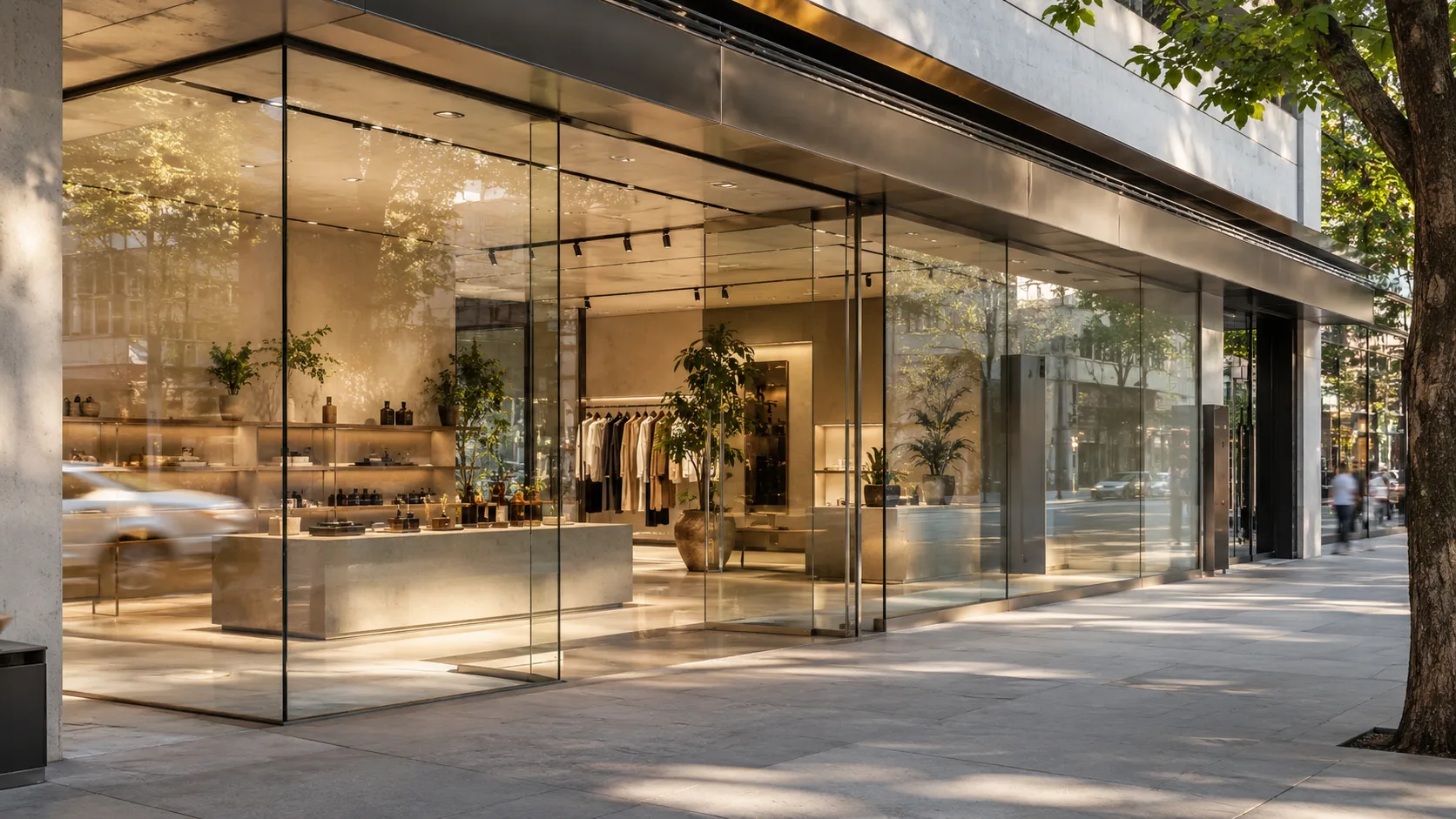
Shopfront Glazing Cost Sydney 2026: $15K–$200K+ Guide
What Shopfront Glazing Actually Costs in Sydney in 2026
In Sydney's high-stakes retail and hospitality landscape, your shopfront is not decoration. It is a commercial asset. The right glazing specification, installed within a fully coordinated fit-out programme, determines whether passing pedestrians become paying customers or walk past entirely.
This guide covers what shopfront glazing actually costs in Sydney in 2026, what drives the number, and the council and compliance steps that affect your timeline before a single panel goes in.
Already know your project type? Jump straight to your cost guide: Retail · Hospitality · Medical
Building Project Solutions has delivered commercial fit-outs across retail, hospitality, medical, and gym tenancies in Sydney for 35 years. Shopfront glazing is one of the most strategically important and most frequently underestimated decisions in any of those projects.
Disclaimer: Every cost figure in this guide is a broad indicative range only. It is not a quote, not an estimate, and not a representation of what your project will cost. Glazing costs in Sydney are determined by your specific tenancy, the glazing system you choose, structural and heritage constraints, council approval requirements, and the cost of materials and labour at the time your project is priced. Nothing in this guide should be relied upon for budgeting, financial planning, or business case purposes. The only way to get a reliable cost assessment is a site inspection from an experienced specialist.
Why Glazing Decisions Belong Inside Your Fit-Out Programme, Not Outside It
Sydney's competitive retail precincts, including the CBD, Westfield centres, Parramatta, Chatswood, and Newtown's King Street strip, share one characteristic: foot traffic is relentless, and dwell decisions happen in under three seconds. A glazing specification that does not align with your brand identity, interior lighting design, and product display strategy is a missed commercial opportunity.
Coordinating glazing within the broader fit-out programme, rather than treating it as a standalone trade, ensures alignment between interior joinery, lighting, ceiling heights, and façade treatment. It also means council approvals, heritage overlay requirements, and development consent conditions are managed as part of one programme instead of three separate ones competing for the same timeline.
Glazing Systems and What They Cost
Frameless glass shopfronts. Maximum product visibility and a seamless, high-end aesthetic. Suited to luxury retail, flagship stores, and upscale hospitality venues. This is the premium end of the cost range, given the structural engineering and precision fabrication frameless systems require.
Aluminium-framed systems. Structural robustness with cost-effective performance. The most common configuration for high-traffic retail, gym fit-outs, and medical centre tenancies where durability matters more than a seamless look. This is typically the mid-range option.
Toughened and laminated safety glass. Compliant with Australian Standards for commercial shopfronts. Balances security with a sleek façade profile, important for after-hours security in Sydney CBD tenancies. Laminated glass adds cost over standard toughened glass but is the standard choice for ground-floor security-conscious tenancies.
Double-glazed shopfront systems. Two-pane insulation that reduces external noise and heat load. Valuable for ground-floor tenancies on busy Sydney arterials where acoustic and thermal comfort affect customer experience. This sits toward the upper end of the per-square-metre range due to the additional pane and sealing requirements.
What Drives the Cost
- Glazing system and glass specification. This is the single biggest lever. Frameless and double-glazed systems cost significantly more per square metre than standard aluminium-framed toughened glass.
- Frontage size and configuration. A small kiosk frontage costs less in absolute terms than a full CBD shopfront, but larger frontages can achieve a better cost per square metre once fixed costs like design, delivery, and site setup are spread across more glass.
- Structural and heritage constraints. Heritage-listed buildings and character precincts like The Rocks or Paddington require council-approved materials, colours, and structural treatment, which adds cost and time over a standard tenancy.
- Security specification. Laminated glass, security film, and roller shutter integration all add cost over a standard toughened glass installation.
- Access and installation conditions. CBD buildings with restricted loading dock access or after-hours-only installation windows cost more to install than a straightforward ground-floor suburban tenancy.
Broad Indicative Cost Ranges for Sydney Shopfront Glazing in 2026
These figures are indicative only and are not quotes or estimates. They should not be used for budgeting without a site inspection from an experienced specialist.
Small Tenancy, Standard Specification
A standard aluminium-framed shopfront with toughened safety glass, suited to a small retail or hospitality frontage with a straightforward installation.
Broad indicative range: $15,000 to $40,000
What moves this number higher: laminated security glass, heritage overlay requirements, restricted access installation, custom signage integration.
Mid-Size Frontage, Enhanced Specification
A larger frontage with laminated or security-rated glass, custom signage integration, and a more complex installation sequence.
Broad indicative range: $40,000 to $90,000
What moves this number higher: double-glazing for acoustic or thermal performance, heritage council conditions, after-hours-only installation windows, premium hardware.
Premium Frameless or Double-Glazed System
A flagship-grade frameless glass system or a fully double-glazed acoustic and thermal solution, with premium hardware and bespoke design integration.
Broad indicative range: $90,000 to $200,000 and above
Large CBD flagship frontages with structural engineering requirements can exceed this range.
Council Approval and Heritage Considerations
Most shopfront glazing replacement or upgrade work in Sydney falls under either a Complying Development Certificate or, where heritage overlays or significant façade changes apply, a Development Application.
A CDC can typically be issued relatively quickly by a private certifier where the work does not change the building's use and meets standard requirements. A DA is required where the building is heritage-listed, sits within a heritage conservation area such as The Rocks, Paddington, or parts of the inner-city character precincts, or where the façade change is significant enough to require council design review.
Mapping which pathway applies to your specific tenancy before you commit to a design avoids the most common cause of delayed glazing projects in Sydney.
Project Management: Minimising Trading Downtime
Shopfront glazing replacement in a trading tenancy demands precise sequencing. The right approach schedules glazing works within after-hours or low-traffic windows, coordinates temporary hoarding and security screening to AS 2601 standards, and pre-fabricates all framing components off-site to compress installation time on the day.
For hospitality and retail clients who cannot afford an extended closure, a well-managed glazing upgrade can be delivered within a single overnight shutdown, coordinating glaziers, structural trades, and signage installers as one managed programme.
Signs Your Shopfront Glazing Is Costing You Revenue
- Glass panels are scratched, clouded, or visibly aged
- Your shopfront design is dated relative to neighbouring tenancies
- Excessive heat gain or glare is degrading the in-store customer experience
- Older glazing presents security vulnerabilities inconsistent with insurer or lease obligations
- A rebrand or concept refresh requires a façade that reflects the new brand direction
Already know what type of fitout you're planning? Jump straight to your cost guide: Retail · Hospitality · Medical
Planning a shopfront glazing upgrade in Sydney? Building Project Solutions has delivered commercial fit-outs across Sydney for 35 years. Request a Proposal or Call Stephen before you commit to a design.
Frequently Asked Questions
How much does shopfront glazing cost in Sydney?
As a broad indicative guide only, shopfront glazing in Sydney in 2026 ranges from approximately $15,000 for a small tenancy with standard aluminium-framed glass through to $200,000 or more for a premium frameless or double-glazed flagship system. These figures are not quotes or estimates and should not be used for budgeting without a site inspection from an experienced specialist. Your actual cost depends on glazing system, frontage size, heritage constraints, and access conditions.
Do I need council approval to replace my shopfront glazing in Sydney?
Most shopfront glazing work falls under a Complying Development Certificate, which a private certifier can typically issue relatively quickly where the work does not change the building's use. A Development Application is required where the building is heritage-listed or sits within a heritage conservation area, or where the façade change is significant. Map your approval pathway before you commit to a design.
How long does a shopfront glazing upgrade take in Sydney?
A standard aluminium-framed glazing replacement can often be completed within a single overnight or weekend shutdown once components are pre-fabricated off-site. Custom or frameless systems, or projects requiring heritage council approval, take longer, the approval process alone can add several weeks. Pre-fabrication and careful sequencing are what keep trading downtime to a minimum.
What is the difference between frameless and aluminium-framed shopfront glazing?
Frameless glass shopfronts maximise product visibility with a seamless, high-end aesthetic, suited to luxury retail and flagship stores, but require more structural engineering and cost more. Aluminium-framed systems are more cost-effective and durable, the standard choice for high-traffic retail, gym, and medical tenancies where durability matters more than a seamless look.
Does heritage overlay affect my shopfront glazing project?
Yes. Buildings in heritage-listed areas or character precincts like The Rocks or Paddington require council-approved materials, colours, and structural treatment for any shopfront change. This typically means a Development Application rather than a faster Complying Development Certificate pathway, and adds both cost and time to the project.
Ready to discuss your project?
Our team has 35 years of experience delivering commercial fitouts across Sydney.
Get in Touch